A white-and-green wedding still looks beautiful, but couples planning now are asking for something with more point of view. The biggest wedding floral trends 2026 are less about following one perfect formula and more about creating a celebration that feels personal, layered, and memorable from the ceremony to the last table arrangement.
That shift is good news for couples who want flowers to do more than fill space. In 2026, florals are setting mood, shaping guest experience, and helping weddings feel more custom without always requiring excess. Some trends lean bold, some lean quiet, and the best choice usually depends on your venue, your budget, and how you want the day to feel in person, not just in photos.
Wedding floral trends 2026 are getting more expressive
For years, many weddings aimed for a polished, interchangeable look. Now couples are pulling away from arrangements that could belong to anyone. They want color stories with character, designs that suit the setting, and flowers that feel intentional rather than overly formal.
This does not mean every wedding is turning dramatic. It means florals are becoming more specific. A garden party might lean airy and tonal, while a modern ballroom wedding may call for sculptural shapes and cleaner lines. The trend is not one style. The trend is choosing flowers that support the atmosphere you actually want.
Color is back, but it is being used with more control
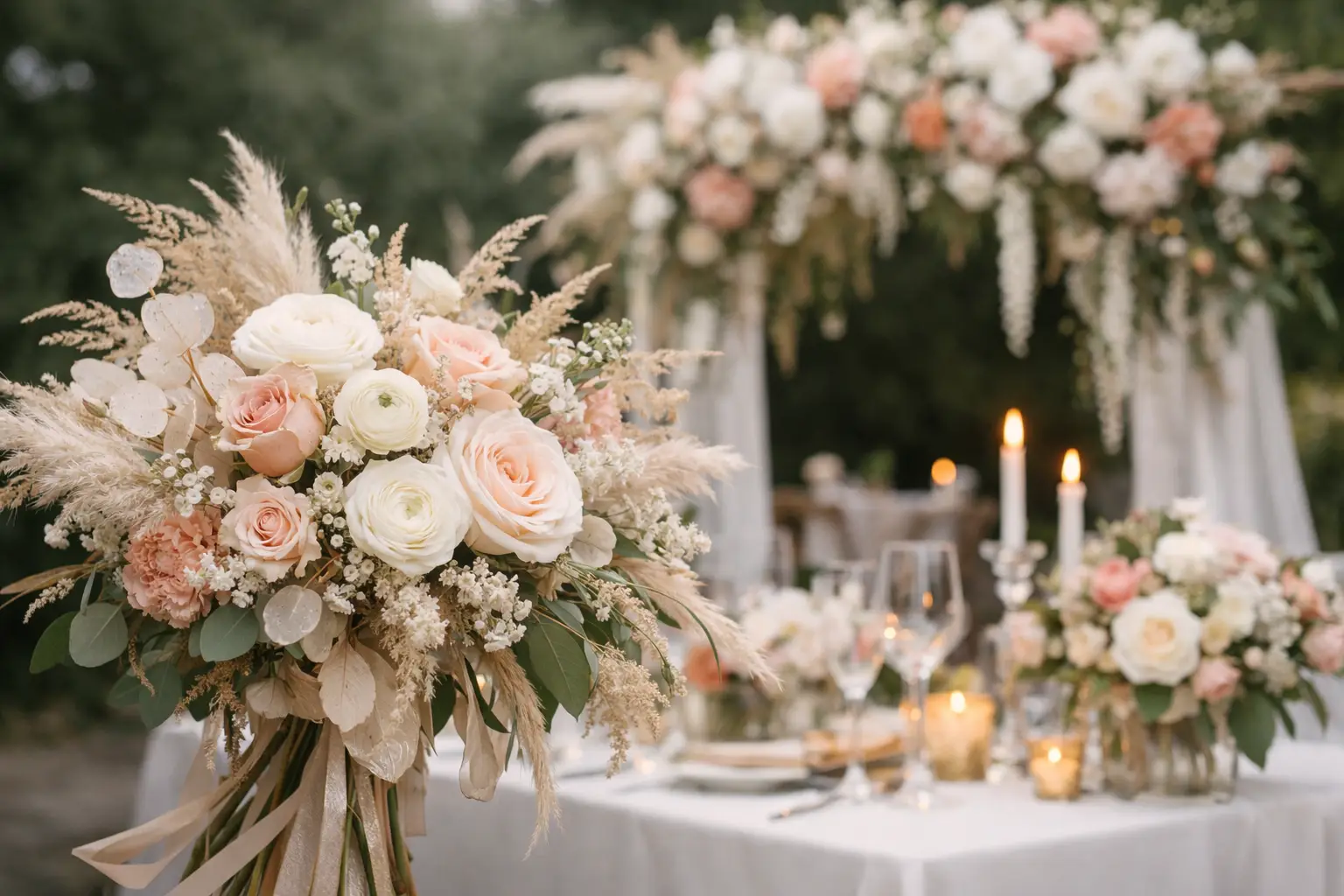
One of the clearest changes for 2026 is the move away from all-neutral palettes as the default. Couples are still choosing ivory, blush, and soft greens, but they are pairing them with richer accent shades like terracotta, plum, butter yellow, apricot, rust, and even softened red.
What makes this feel current is restraint. Instead of using every pretty shade at once, designers are building tighter palettes with depth. A wedding might center on cream and sand, then bring in caramel roses and seasonal brown foliage. Another might use pale peach throughout, then add one stronger coral tone to keep the room from feeling flat.
This approach photographs well, but more importantly, it gives floral design more emotional range. Soft does not have to mean washed out. Bold does not have to mean loud.
Texture matters as much as bloom type
Couples are paying more attention to how arrangements feel visually. That is why texture is playing such a big role in wedding floral trends 2026. Standard round centerpieces are giving way to designs with movement, air, and contrast.
You will see layered petals next to delicate branching elements, fluffy blooms paired with sleek anthurium, and soft garden roses mixed with textural filler that adds shape without making the design look busy. This kind of contrast keeps arrangements interesting even when the palette stays simple.
There is a practical benefit too. Texture can make florals look fuller and more custom without relying only on premium focal flowers. When used well, it creates a high-end look with better balance in the budget.
Ceremony flowers are becoming more flexible
Ceremony installations are still important, but couples are thinking harder about where floral dollars go. Instead of one large feature that gets used for twenty minutes, many are asking for pieces that can be moved or repurposed into the reception.
That can mean aisle markers that become sweetheart table flowers, ground arrangements that frame the band later in the evening, or ceremony clusters that move to the bar, escort card display, or stage. This is not a new idea, but in 2026 it is becoming part of the design conversation from the start.
The result is more thoughtful planning. Large arches still have a place, especially in venues that need vertical impact, but they are no longer the automatic goal. In some settings, a set of well-placed floral moments can do more than a single oversized structure.
Grounded designs are replacing some traditional arches
One standout look for 2026 is the grounded ceremony design. Instead of building all the floral weight upward, couples are choosing low floral meadows, asymmetric aisle gardens, and clustered arrangements that feel integrated with the space.
This style works especially well outdoors or in venues with strong architecture, where you do not want to block the view. It can also feel more natural and immersive for guests. The trade-off is that grounded designs need careful placement to read well from every angle, so they are not automatically simpler just because they sit lower.
Reception florals are doing more atmosphere work
Reception flowers in 2026 are not only about centerpieces. They are shaping the room in a more complete way. Couples are investing in a few high-visibility zones, then letting those moments carry the design.
A floral bar display, a statement arrangement at the seating chart, and layered candle-and-flower styling on dining tables can create a stronger impression than trying to place medium florals everywhere. This is especially useful when budgets are real and priorities matter.
Long tables continue to stay popular because they allow flowers to feel more abundant through repeated gestures rather than one arrangement per table. Bud vases, compote designs, taper candles, fruit accents, and low floral runners are all being used to create movement across the surface.
Mixed centerpiece styles feel more natural now
One of the more practical wedding floral trends 2026 is the continued use of mixed centerpiece formats. Instead of forcing every guest table to look identical, couples are combining low arrangements, candles, bud vases, and occasional taller pieces.
This makes the room feel less rigid. It can also help direct spending where it counts. Taller designs bring drama to select tables, while lower styles keep conversation easy and maintain a welcoming feel. The key is consistency in color, flower selection, or vessel style so the room still feels cohesive.
Personal flowers are getting cleaner and more intentional
Bridal bouquets are shifting away from overly packed designs and toward shapes that feel a little more open. That might mean a hand-tied bouquet with visible movement, a tighter bouquet with standout blooms, or a mono-floral look built around one hero flower.
This does not mean bouquet size is shrinking across the board. It means each stem is being chosen with more purpose. Couples want bouquets that feel refined in person and still photograph beautifully without overpowering the dress.
Boutonnieres are also getting simpler. Cleaner mechanics, fewer elements, and one strong floral focal point often look more polished than a tiny cluster of unrelated pieces. Bridesmaid bouquets are following a similar direction, with tonal palettes and subtle variation rather than exact copies.
The most timeless trend is still seasonality
If there is one idea that continues to matter year after year, it is using flowers that suit the season. That does not mean every stem must be local or limited to what is growing nearby that week. It means the overall design should make sense for the time of year.
Spring weddings can lean fresh and airy. Summer can support brighter color and fuller bloom choices. Fall naturally works with richer tones and more textural materials. Winter designs often benefit from cleaner palettes, deeper contrast, or elegant restraint.
Seasonal thinking usually leads to better value and a more natural finished look. It also helps avoid forcing a Pinterest image into a month or setting where it does not belong.
What couples should keep in mind before choosing a trend
Not every trend will suit every wedding. A sculptural modern arrangement can look incredible in a contemporary venue and completely out of place in a rustic chapel. A delicate floral meadow may be perfect for an indoor ceremony but harder to maintain in outdoor heat.
That is why the best floral planning starts with a few honest questions. What do you want guests to notice first? Where will photos happen most often? Which moments matter enough to deserve floral focus? Once those answers are clear, trends become useful inspiration instead of pressure.
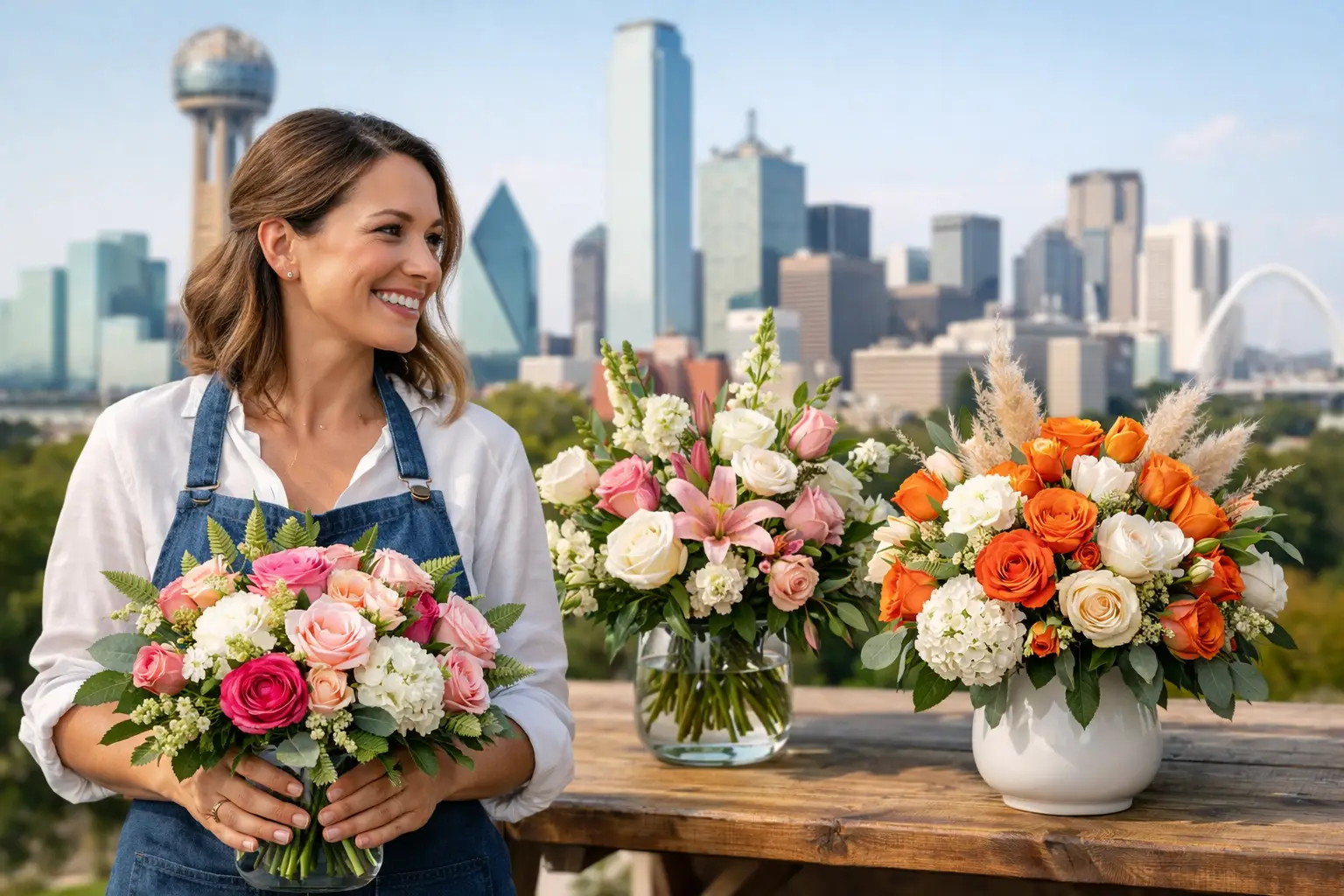
For couples planning in the Dallas area, this matters even more because season, venue style, and weather can shape how flowers perform throughout the day. A dependable florist will help translate inspiration into designs that actually hold up, look fresh, and fit the flow of the event.
At Estrella’s Flower Shop, we see the strongest wedding flowers come from that balance of beauty and practicality. Trend-forward choices work best when they also respect the space, the season, and the budget.
The best wedding floral trends 2026 have personality
The strongest floral direction for 2026 is not a single flower, palette, or installation style. It is personality. Couples are choosing florals that feel like an extension of the celebration instead of a checklist item, and that leads to better design every time.
If you are planning your wedding, let trends help you notice what feels exciting, then edit with care. Flowers should add feeling to the room, not noise. When the design fits the day, guests may not name every stem, but they will remember exactly how it felt to be there.